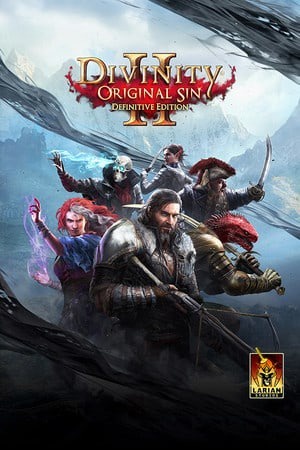
In late August, the newly announced Divinity: Original Sin 2 by Larian Studios captured the attention of many gamers. The Kickstarter campaign, running for 35 days, ended with 42,713 backers contributing over 2 million dollars—far surpassing the original $500,000 goal.
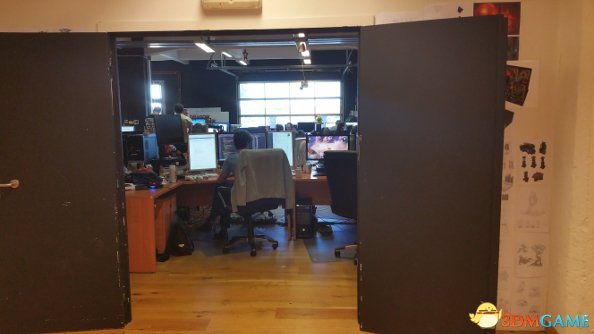
What kind of company is Larian Studios, and what does it feel like to work there? Let’s take a virtual tour of Ghent, Belgium, to find out.
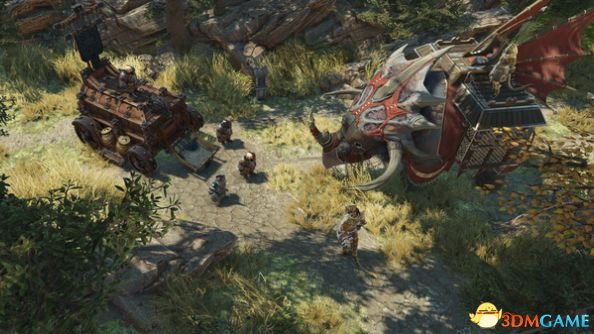
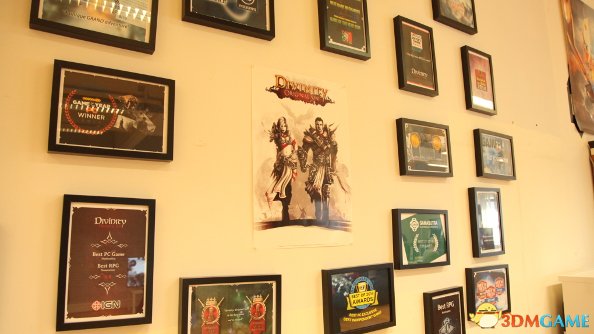
Larian Studios began its journey in 1996 and gained prominence after the release of the first Divinity game in 2002. The studio’s continued success was bolstered by titles such as Divinity: Dragon Commander, keeping the brand alive and expanding its portfolio.
With the first game’s triumph, the sequel was inevitable. Larian chose to elevate quality by leveraging Kickstarter, enabling them to deliver an even richer experience.
Upon visiting the studio, I was struck by the relentless online livestreams that continued even after the campaign closed. The team—led by producer Vincke—offered daily Q&A sessions, showcasing their history, past work, and answering a stream of player questions.
Vincke exuded enthusiasm, often recognizing long‑time players as if they were part of the studio’s core team. His dedication felt almost guilty, as though he owed them for their support.
The first day I left the studio, the livestream was still active. Staff members energetically addressed queries, exemplifying a commendable level of professionalism.
On September 30, the Kickstarter campaign closed with $2,032,435 pledged. The additional funds unlocked various rewards: a master mode where players can design dungeons, a strategist mode at the $700,000 milestone, and a love‑hate system at $1,750,000. These bonuses promised deeper gameplay.

Behind the campaign’s success, the team understood that crowdfunding isn’t smooth sailing. Rising backer demands, delays, staggered releases, and budget pressures can threaten a project’s viability. As the producer noted, even a one‑cent shortfall could jeopardize the entire game.
Kickstarter has breathed new life into small and medium studios, giving them a chance to compete with giants like Ubisoft and EA. The platform also fostered a closer connection between developers and players, humanizing companies that were once perceived as distant.